
Blog

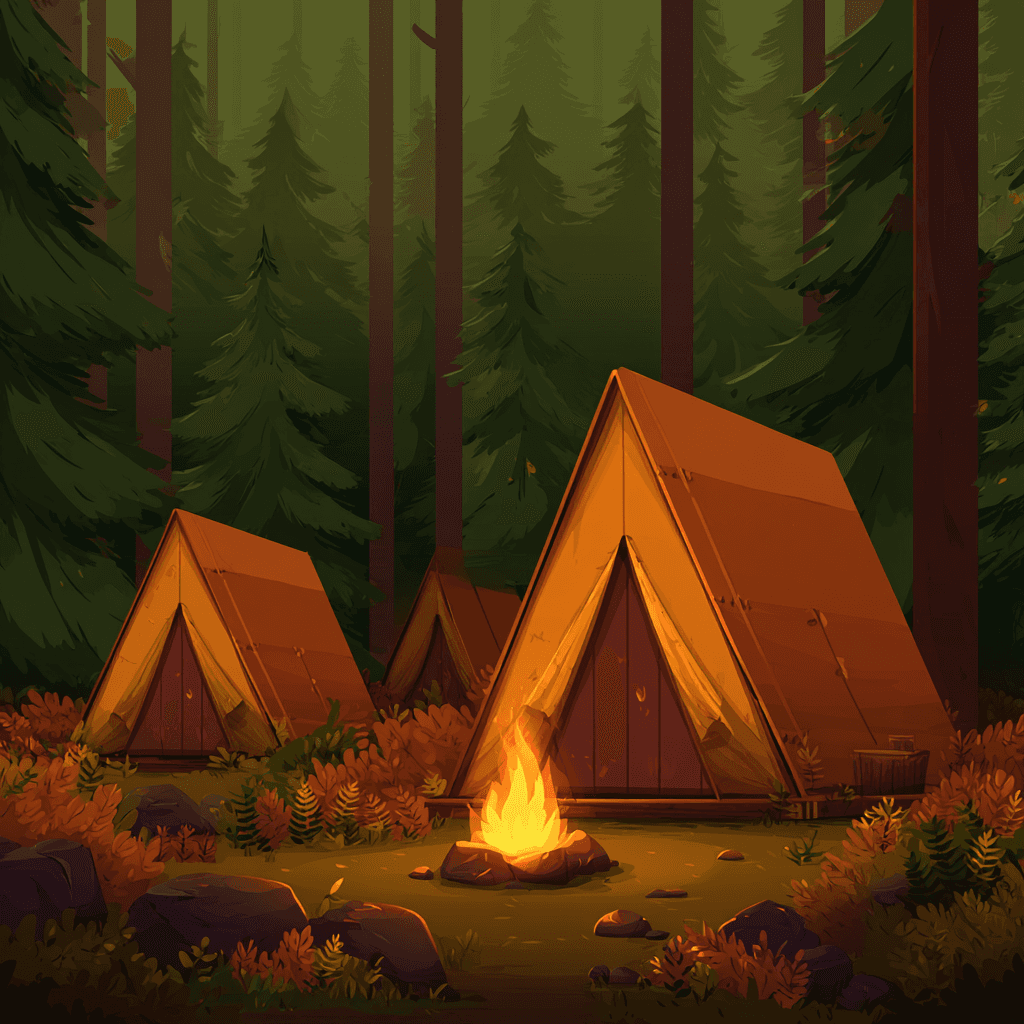
Tents in forest
Tents in forest
Tents in forest

Jan 29, 2026

category

Our Thought Process

We didn't set out to build another productivity app. Honestly, the last thing the world needs is another app telling you to "optimize your day" or "maximize your output." We built Lucive because we were drowning.

Not in work. Not in responsibilities. In notifications. In endless scrolling. In the constant pull of our phones demanding attention every few minutes. We'd open Instagram to check one thing and surface 45 minutes later wondering where the time went. We'd sit down to focus on something meaningful and find ourselves reaching for our phones within minutes, almost unconsciously.

Every productivity app we tried felt like punishment. Streaks that made us feel guilty when we broke them. Timers that stressed us out. App blockers that felt like putting ourselves in digital jail. We'd stick with them for a few days, maybe a week, then give up feeling worse than before.

The Breaking Point

The moment we knew something had to change came on a random Tuesday evening. One of us had planned to spend the evening working on a creative project we'd been excited about for weeks. Three hours later, we'd accomplished nothing except scrolling through social media and feeling terrible about ourselves.

That's when we realized: this wasn't a willpower problem. This was a design problem.

Our brains weren't broken. The apps we were using every day were literally designed to be addictive. Every notification, every infinite scroll, every "pull to refresh" was engineered by teams of designers and psychologists to keep us engaged. We were trying to fight billion-dollar companies armed with neuroscience research, and we were losing.

What Makes Lucive Different

We started asking ourselves: what if we designed something different? What if instead of punishing people for struggling with focus, we created a space that actually helped?

That's where the camping metaphor came from. When you go camping, you're not running away from life or punishing yourself. You're taking a break. You're finding quiet. You're reconnecting with what matters.

We wanted Lucive to feel like that, a place you actually want to go, not a place you force yourself to be.

No streaks that make you feel guilty when life happens. No shame when you need to use your phone. No locks that make you feel trapped. Just a gentle invitation to find some quiet when you need it.

Building It Real

Right now, we're deep in development. We've built the authentication system, the focus session timer, and we're working on the interactive campsite scene using SpriteKit. We chose SpriteKit over more complex game engines because we don't need complexity, we need something that feels calm and inviting.

Every design decision comes back to one question: does this help someone find focus, or does it add more noise?

We're not trying to revolutionize anything. We're not claiming to have all the answers. We're just two people who struggled with this problem ourselves and decided to build something that might help others struggling with the same thing.

What's Next

We're still building the campsite. The fire isn't lit yet. But we're getting there.

If you've ever felt that pull of your phone when you're trying to focus, if you've ever lost hours to scrolling and wondered where the time went, if you've ever wanted to find some quiet but didn't know how, this app is for you.

We're building Lucive for people like us. People who want to do meaningful work. People who want to be present. People who are tired of fighting their phones and just want some peace.

Want to join us at the campsite when we open the gates? Join our waitlist and we'll let you know when the fire's ready.

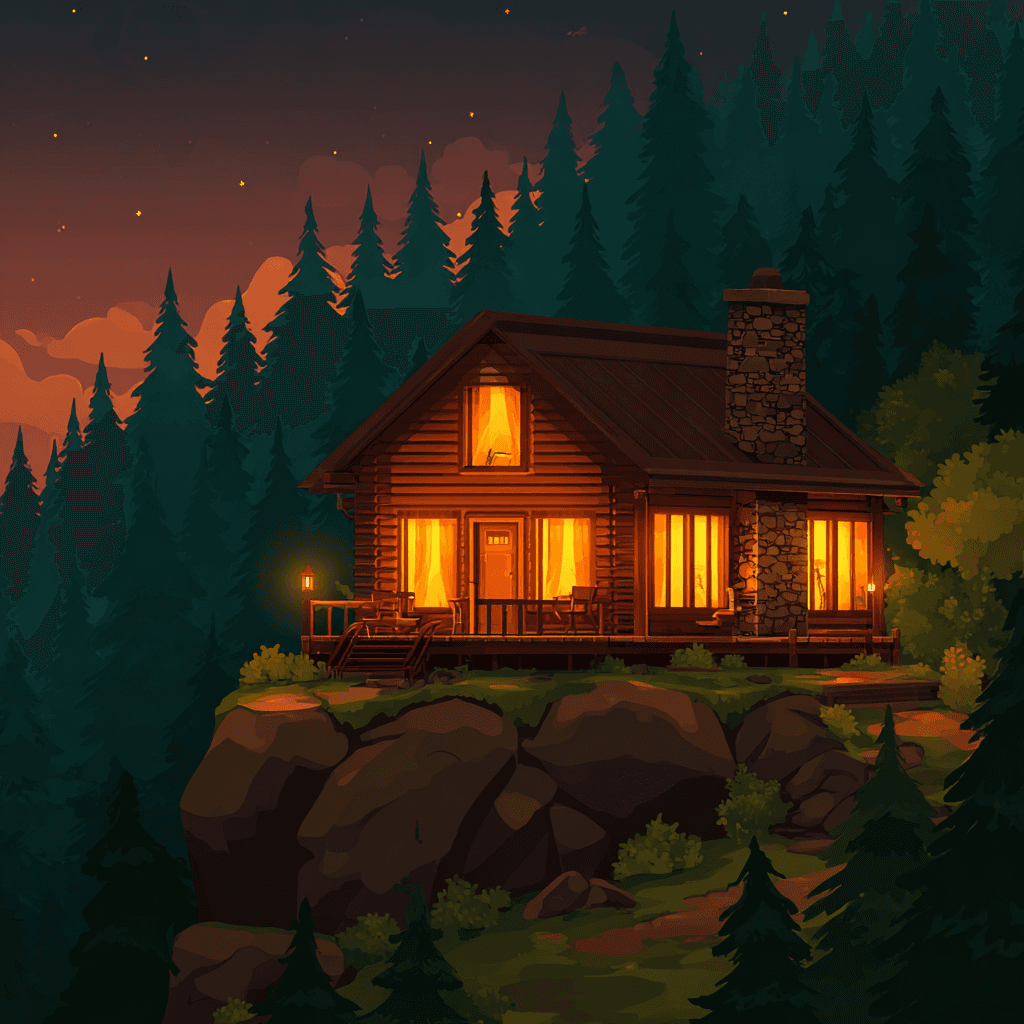
Cabin on mountain ledge

Jan 29, 2026

category

The Issue

Here's something we learned the hard way while building Lucive: most focus apps are designed like drill sergeants, not companions. They yell at you when you break your streak. They lock your apps and make you feel trapped. They shame you for needing your phone. And somehow, we're all supposed to find peace and focus in that environment?

It doesn't work. We know because we tried every app out there before building our own.

The Streak Problem

Let's talk about streaks for a minute. On paper, they make sense: build a habit, maintain consistency, see your progress. Motivation through gamification. Simple.

But here's what actually happens: You're doing great for 47 days. Then life happens, maybe you get sick, maybe there's a family emergency, maybe you just have a really hard day where you need your phone more than usual. You break the streak.

Now instead of feeling supported, you feel like you failed. That big number resets to zero. All that progress, gone. So what do you do? You give up entirely. "I already broke my streak, might as well quit."

This is the opposite of what focus apps should do.

When we were designing Lucive, we made a decision: no streaks. Not because we don't believe in consistency, but because we refuse to punish people for being human.

Progress Over Perfection

Instead of streaks, we track progress. You can see your focus time over the week. You can see patterns in when you're most productive. You can celebrate the days you did great without feeling destroyed by the days that were harder.

Because here's the truth: building better focus habits isn't about being perfect every single day. It's about showing up more often than you used to. It's about making progress over time, not maintaining an arbitrary number.

The Locking Trap

Most focus apps work by locking you out of distracting apps. Block Instagram. Block X. Block everything fun. Now sit here and stare at the wall because we removed your ability to choose.

This always felt wrong to us.

Yes, sometimes you need help resisting the pull of social media. But treating yourself like a child who needs their toys taken away? That's not empowering. That's just another form of control.

Lucive will have blocking features (we're currently waiting on Apple's ScreenTime API approval), but the core experience isn't about locking you out. It's about inviting you somewhere better.

When you start a focus session, you're not trapped in a digital prison. You're at a campsite. You're in a space designed to be calm and peaceful. You want to be there.

Can you leave? Of course. You're an adult. But the question becomes: do you want to leave this peaceful space to go doom-scroll? Sometimes yes, and that's okay. But often, you'll find the answer is no.

The Animation Philosophy

This philosophy shows up in surprising places. Like when we were designing the character animations for the campsite scene.

We're using SpriteKit with pixel art characters, and we had to decide: should the animations be energetic and exciting, or calm and grounded?

We chose calm. Gentle breathing animations. A little wave when you visit. Sitting by the fire. These aren't characters jumping around demanding your attention, they're companions in your focus journey.

Even our background effects follow this: gentle fireflies floating by, stars twinkling, a soft fire glow. Nothing jarring. Nothing demanding. Just peaceful.

Because if we're building an app to help people find quiet, the app itself needs to be quiet.

What This Means in Practice

When we're making design decisions, we keep asking: is this supportive or punitive?

Supportive: Showing your progress over time, celebrating the days you focused well Punitive: Resetting streaks to zero, making you feel like you failed

Supportive: Gentle reminders that you can take a break when you need focus Punitive: Aggressive notifications telling you you're using your phone too much

Supportive: Creating a space that feels inviting and calm Punitive: Locking apps and making you feel trapped

We're not interested in guilting people into better habits. We're interested in building something that actually helps.

Still Figuring It Out

We'll be honest: we don't have everything figured out. We're still deep in development, still making decisions, still learning what works and what doesn't.

But we know what we don't want to build. We don't want another app that makes people feel bad about themselves. We don't want another digital drill sergeant.

We're building a campsite. A place to rest. A place to find some quiet.

And we're doing it without the punishment, without the shame, and without treating you like you need to be controlled.

Because you don't need another app telling you what to do. You need a space that supports you in doing what you already know you want to do: focus on what matters.

Book open on table in forest

Jan 29, 2026

category

Our Research

Ever wonder why you can't stop checking your phone, even when you know there's nothing new there? It's not a character flaw. It's not a lack of willpower. It's dopamine, and understanding how it works is the first step to breaking free from constant digital distraction.

What Actually Happens in Your Brain

Dopamine is often called the "pleasure chemical," but that's not quite right. Dopamine isn't about pleasure, it's about anticipation of reward.

Your brain releases dopamine when it expects something good might happen. Not when good things actually happen, but when they might happen. That uncertainty is key.

This is why slot machines are so addictive. You don't know if the next pull will win, but it might. That "might" floods your brain with dopamine, driving you to pull again. And again. And again.

Now look at your phone. When you pull down to refresh Instagram, you don't know what you'll see. Maybe something interesting. Maybe not. But that uncertainty, that "maybe", triggers the same dopamine response.

Every notification could be important. Every refresh might show something new. Every time you unlock your phone, something interesting might be waiting.

Your phone has become a slot machine in your pocket.

The Intermittent Reward Problem

The most powerful schedule for dopamine release is called "intermittent reinforcement." Sometimes you get a reward, sometimes you don't, and you never know which it will be.

Social media is perfectly designed around this principle. Sometimes you get likes. Sometimes you don't. Sometimes there's an interesting post. Sometimes there isn't. You never know, so your brain keeps checking.

Tech companies know this. They hire neuroscientists and behavioral psychologists specifically to make their apps more engaging, which is a polite way of saying "more addictive."

You're not weak for struggling to put your phone down. You're fighting against teams of people whose entire job is to make sure you can't.

What Happens During a Dopamine Detox

When you do a digital dopamine detox, whether that's taking a break from social media, limiting phone use, or using an app like Lucive to create focused time, something interesting happens in your brain.

Initially, it's hard. Your brain is used to getting regular hits of dopamine from your phone. When you remove that source, you feel restless. Anxious. Bored. You keep reaching for your phone without even thinking about it.

This is withdrawal, and it's real. You're not imagining it.

But if you push through (and this is where having support helps), something shifts. After a few days of reduced stimulation, your brain starts to recalibrate. Activities that seemed boring before, reading a book, having a conversation, working on a project, start to feel engaging again.

This isn't magic. It's your dopamine system recovering its sensitivity.

The Baseline Problem

Think of it like this: if you're constantly giving your brain little hits of dopamine all day long, your baseline level stays elevated. When your baseline is high, normal activities feel underwhelming by comparison.

Why read a book when you could scroll through perfectly curated, instantly gratifying content? Why work on a challenging project when you could get immediate feedback from social media?

It's not that books or deep work aren't rewarding. It's that your brain is calibrated to expect much more intense, much more frequent rewards.

A dopamine detox lowers your baseline. Suddenly, normal activities feel rewarding again because you're not comparing them to an artificially elevated standard.

The Focus Connection

This is why so many people struggle with focus and deep work. It's not just about distractions. It's that your brain literally finds focused work less rewarding than it used to.

Deep work requires sustained attention without immediate reward. You might work for hours before seeing results. Your dopamine system, trained by social media to expect constant stimulation, rebels against this.

The solution isn't just blocking distracting apps (though that can help). It's retraining your dopamine system to find satisfaction in sustained effort again.

How Long Does It Take?

Here's the question everyone asks: how long until my brain "resets"?

The research varies, but most studies suggest significant changes happen within 2-4 weeks of reducing digital stimulation. Some people notice differences in just a few days. Others take longer.

It depends on how overstimulated your dopamine system is to begin with, and how consistent you are with the detox.

The key word is "consistent." Doing a digital detox for three days, then going back to constant phone use, then trying again next week, that's not enough time for your brain to adapt. You need sustained periods of reduced stimulation.

This is why we're designing Lucive around daily practice, not perfect streaks. Regular focus sessions, even if they're short, are more effective than occasional long ones.

The Good News

Your brain is incredibly plastic. The same neurological adaptability that let your brain get hooked on digital stimulation also means it can recover.

You're not permanently broken. You haven't ruined your attention span forever. You just need to give your brain time and space to recalibrate.

You're not weak. You're human. And your very human brain is responding exactly as it was designed to respond to intermittent rewards.

Why We're Building This

This science is why we're building Lucive the way we are. We're not trying to shame you into better habits. We're trying to create an environment that supports your brain's natural recalibration process.

The camping metaphor isn't just aesthetic. When you go camping, you remove yourself from overstimulation. You let your nervous system settle. You remember what quiet feels like.

That's what we're building digitally, a space that lets your dopamine system reset, that supports regular practice without punishment, that works with your neurology instead of fighting it.

Your brain isn't broken. It just needs some quiet.